Search Health in Google

Custom Search
Showing posts with label HEALTH HAZARDS. Show all posts

11 December, 2025

HEALTH HAZARDS: KIDNEY STONES

🧜‍♀️🧜‍♀️🧜‍♀️🧜‍♀️🧜‍♀️🧜‍♀️🧜‍♀️🧜‍♀️🧜‍♀️
    KIDNEY STONES
🧜‍♀️🧜‍♀️🧜‍♀️🧜‍♀️🧜‍♀️🧜‍♀️🧜‍♀️🧜‍♀️🧜‍♀️


*Goodbye Kidney Stones: Gut Bacteria to the Rescue!*

A groundbreaking discovery in microbiology may soon make kidney stones a thing of the past. Scientists have engineered gut bacteria that can safely break down kidney stones within the body, offering new hope for millions suffering from this painful condition.

*The Power of Gut Bacteria*

Researchers have successfully engineered gut bacteria to produce enzymes that dissolve kidney stones, eliminating the need for invasive surgeries or painful treatments. This innovative approach leverages the body's natural processes to target and break down stones, providing a safe and effective solution.

A Leap Forward in Kidney Health

This breakthrough represents a significant advancement in medical research, harnessing the potential of microbiology to improve human health. The engineered bacteria have shown promising results in laboratory tests, paving the way for future human trials.

Hope for Millions

Kidney stones affect millions worldwide, causing severe pain and discomfort. This innovative treatment offers a beacon of hope for those seeking a safe and effective solution, potentially revolutionizing kidney stone treatment and improving quality of life.

Grateful thanks to Meta AI for its great help in creating this blogpost!🙏🙏🙏

15 November, 2025

10 November, 2025

20 October, 2025

01 October, 2025

21 September, 2025

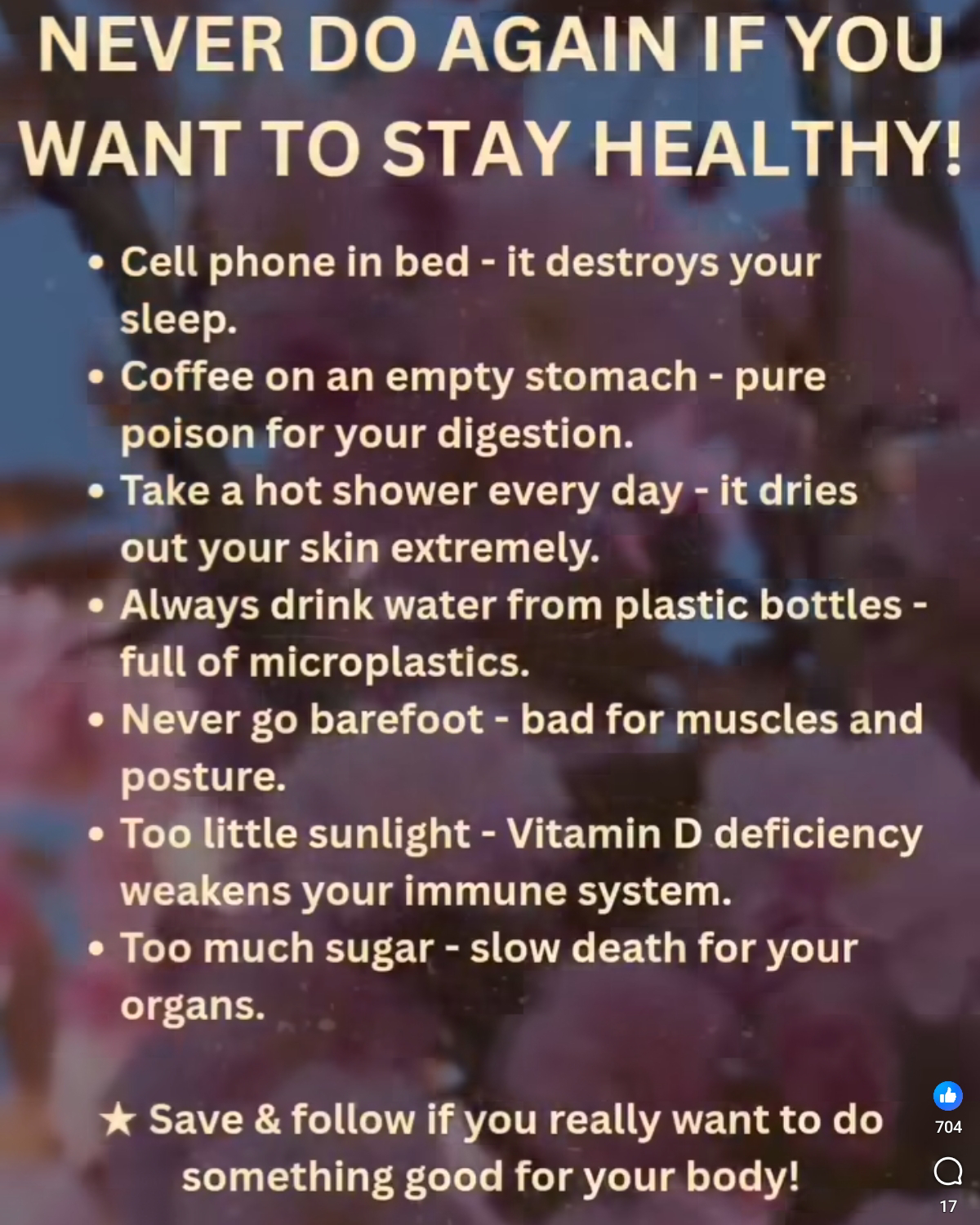
HEALTH HAZARDS : MICROPLASTICS


HOW DO MICROPLASTICS AFFECT HUMAN HEALTH AND THE ENVIRONMENT 

Microplastics negatively impact both human health and the environment, with growing scientific concern about their persistent and pervasive effects.

Effects on Human Health

Microplastics have been found in human blood, lungs, placenta, and other organs. Research shows ingestion and inhalation of these particles through contaminated food, water, and air is widespread—people may consume tens of thousands of particles each year.

Laboratory studies suggest microplastics can cause inflammation, cell death, oxidative stress, DNA damage, disturbances in lipid and hormone metabolism, and organ dysfunction in animal models.

Some compounds in microplastics—like BPA, phthalates, and heavy metals—can leach into tissues, disrupting the endocrine system and increasing risk of obesity, insulin resistance, reproductive issues, and possibly cancer.

Newly emerging evidence links microplastics in human arteries to a higher risk of cardiovascular disease.

There are major gaps in knowledge; while evidence suggests risk, the degree of harm in humans remains under study.

Effects on the Environment

Microplastics pollute freshwater, soil, and particularly oceans, where they are ingested by a huge range of organisms—from plankton to whales—causing physical harm, reduced feeding, toxicity, and death.

These particles disrupt critical earth systems, including ocean carbon and nitrogen cycling; by affecting plankton and microbial communities, they can impede the biological carbon pump and magnify climate challenges.

Microplastics can alter soil properties (like water retention and nutrient cycling) and microbial communities, reducing fertility and affecting food production.

They act as carriers for pathogens and toxic chemicals, accumulating in plants and animals, and moving up the food chain to humans, increasing ecological and health risks.

Unlike larger plastics, microplastics are nearly impossible to remove once dispersed, and their effects are long-lasting and potentially cumulative.

In summary, microplastics pose a complex threat to living systems and planetary processes—impairing the health of both humans and the environment, and demanding urgent, coordinated action.

Grateful thanks to PERPLEXITY AI 

17 August, 2025

31 July, 2025

28 July, 2025

25 July, 2025

02 July, 2025

28 June, 2025

HEALTH HAZARDS


                                                                    STOP EATING SUGAR!